Effectively fighting moles: understanding and eliminating molehills
Do you have moles in your garden and new molehills constantly appearing?
By understanding how moles live and work, you can fight them much more effectively.
On this page, discover:
- what a mole is
- how molehills are formed
- what damage they cause
-
how to effectively fight moles
What is a mole?
The mole (Talpa europaea) is a mammal that lives underground and is known for its strong digging ability. With its powerful forelimbs and streamlined body, it moves effortlessly through the soil and digs an extensive network of tunnels.
Contrary to popular belief, moles are not completely blind. They perceive light and movement, but primarily use their sense of touch and hearing to navigate.
Moles live alone, defend their territory, and remain active all year round.
Their constant activity is the main cause of damage in gardens.
How do moles live?
Moles live in a complex system of underground tunnels consisting of:
- deep tunnels (secure movements)
- tunnels close to the surface (foraging for food)
A mole can dig several dozen meters of tunnels each day. This underground network is what makes moles difficult to eliminate.
They also store their food (mainly worms) in their tunnels to have a constant supply.
How do molehills form?
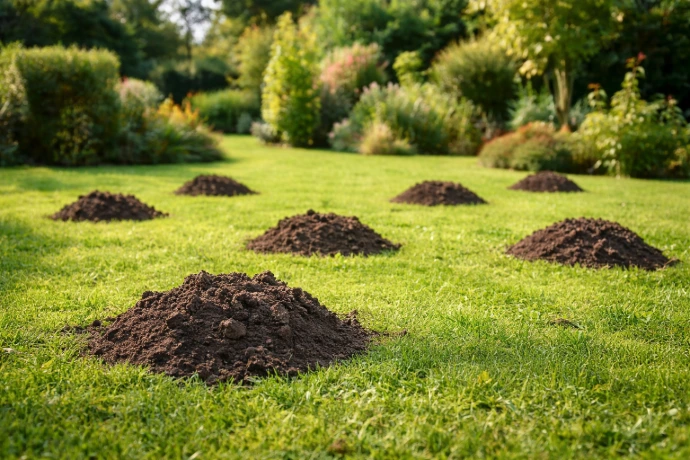
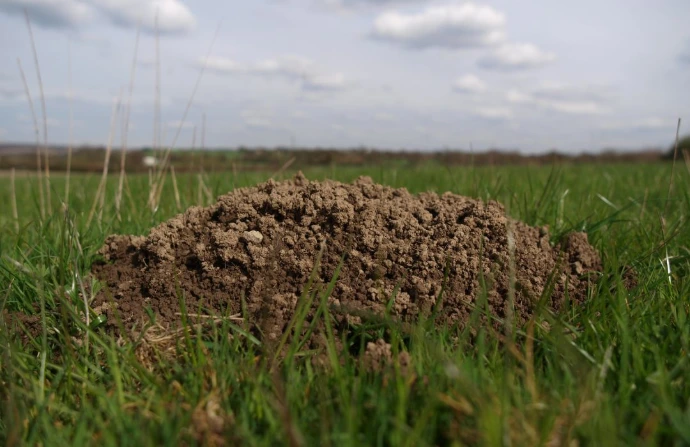
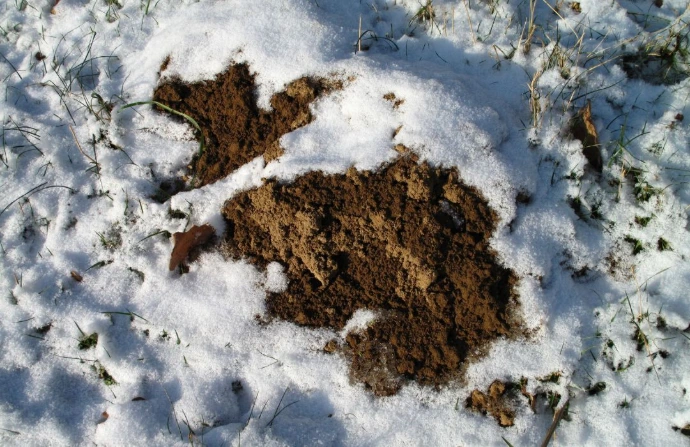
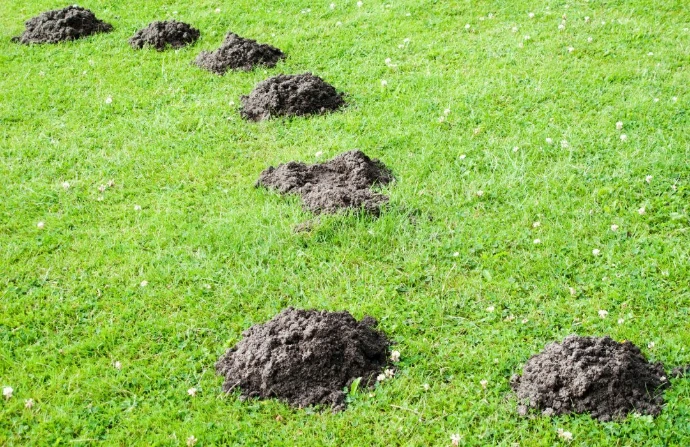
Molehills are the visible mounds of earth on the surface.
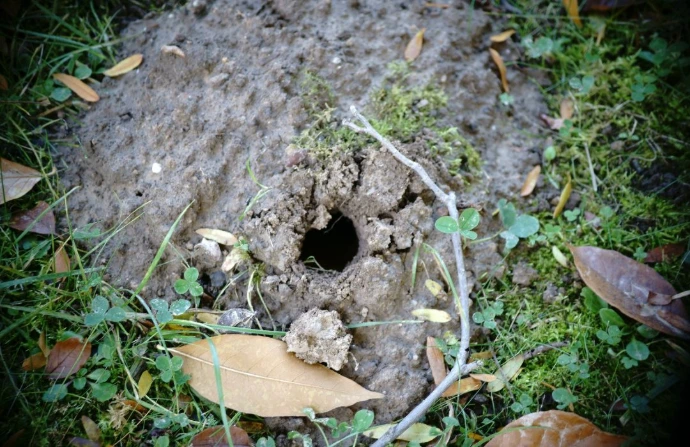
They appear when the mole evacuates the soil while digging its tunnels. This soil is pushed to the surface through a vertical shaft, creating a molehill.
This point is essential: a molehill often indicates the presence of an active tunnel..
👉 This is therefore the strategic place to intervene effectively.
Why are moles active all year round?
Moles do not hibernate. They remain active in all seasons, including winter.
They have a very high energy requirement and must feed constantly. A mole can consume up to its own weight in food each day.
Their diet consists of worms, larvae, and soil insects.
This constant activity leads to the continuous creation of new molehills.
What damage do moles cause?
Even though moles do not eat plants, they cause a lot of damage:
- destruction of lawns
- appearance of molehills
- displaced or damaged roots
- ground subsidence
- degradation of meadows and hay
Homeowners, gardeners, and farmers are particularly affected.
The longer a mole stays, the worse the damage becomes.
Why don't mole control solutions always work?
There are many methods to combat moles: repellents, ultrasound, odors, traps… However, their effectiveness is often limited.
Moles are capable of adapting quickly:
- they get used to odors
- they ignore vibrations.
- they bypass obstacles
- they dig new tunnels
Solutions based solely on repulsion do not address the problem at its source.
How can you effectively control moles?
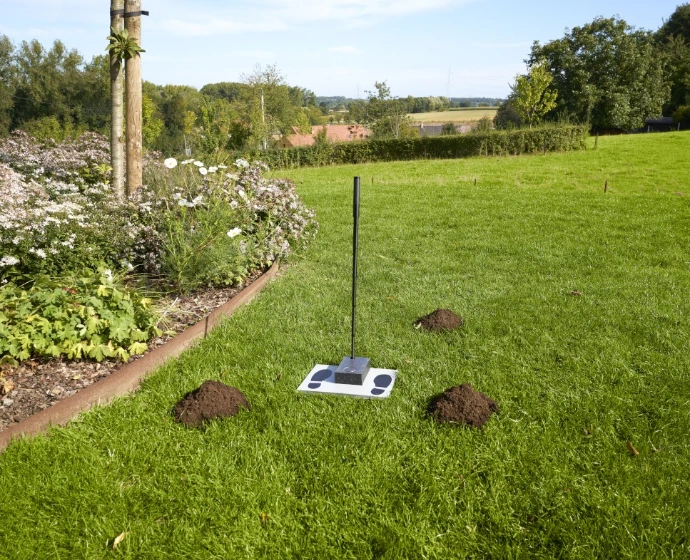
To eliminate moles sustainably, it is essential to act directly in the active tunnels. A targeted intervention allows for:
- quickly stopping the activity
- limiting new molehills
- sustainably protecting the land
The most effective methods are those that act directly in the underground network.
In practice, few solutions actually allow you to reach the mole where it is located. This is why indirect solutions often fail.
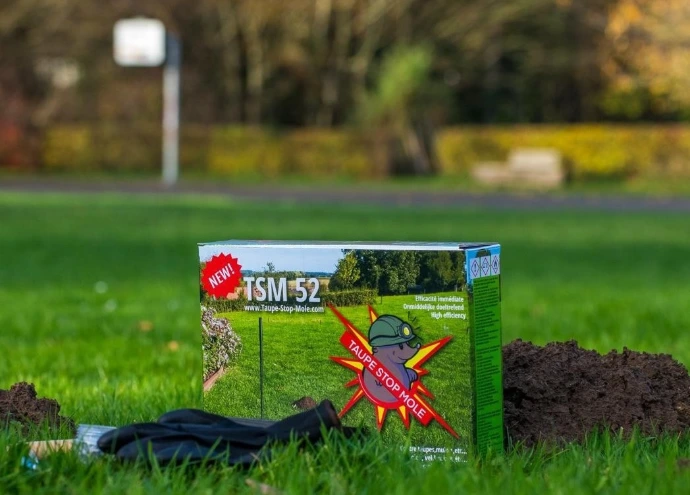
The effective solution against moles: Taupe-Stop-Mole 52
The Mole-Stop-Mole 52 has been designed to act directly in the active tunnels.
By applying the device to an active molehill, you intervene at the source of the problem.
👉 This approach allows for faster and more effective elimination of moles.
How does the Taupe-Stop-Mole work?
Easy to use with a few targeted actions
- Spread the soil from the molehill
- Locate the active tunnel
- Make an opening
- Add calcium carbide
- Add water
- Place the device
- Activate the system
👉 By repeating these steps on new molehills, moles are efficiently removed.